


For many millennials, caregiving isn’t something they’re preparing for in the distant future. It’s something they’re doing right now. In their 20s and 30s, often while raising children, navigating new careers, or managing personal milestones, they are also showing up for aging parents, grandparents, or loved ones facing illness.
On The Chundria Brownlow Show, Dr. Piltch-Loeb spoke openly about what it was like to become a caregiver in her early 30s. Her father had been diagnosed with early-onset Alzheimer’s just as she welcomed her first child. The emotional complexity of that season—watching one life begin while another slowly declined—reshaped her understanding of time, identity, and connection.
“It’s hard to imagine my life without that experience,” she shared. “It changed how I think about priorities, how I manage my time, and how I show up in both my personal and professional life.” – Dr. Piltch-Loeb
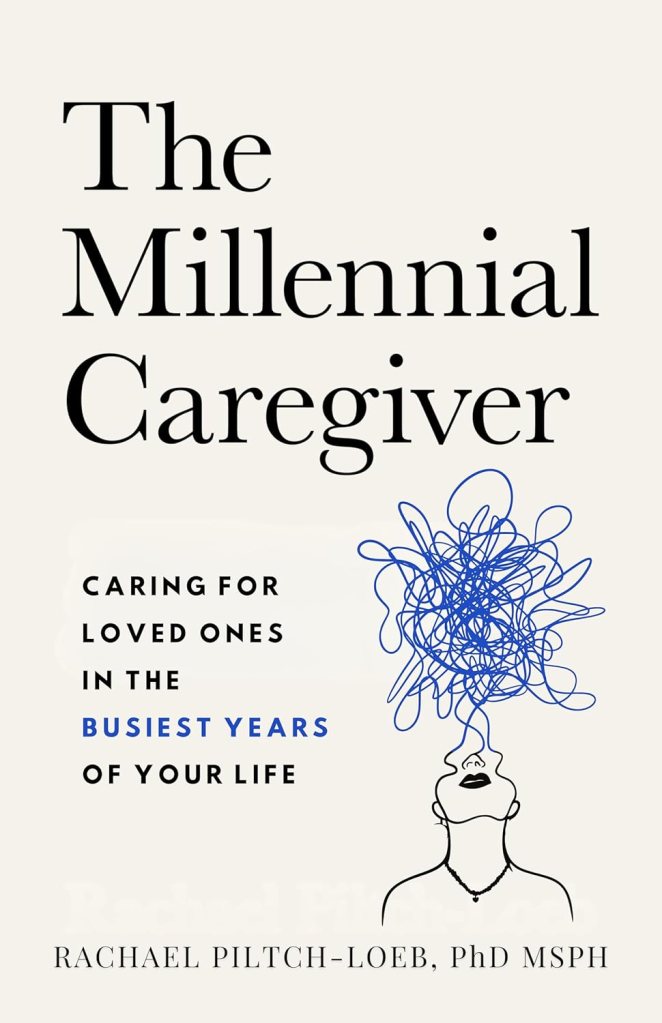
Dr. Piltch-Loeb is trained in public health, with a PhD and a focus on communication and behavioral science. But even with her professional expertise, she found herself overwhelmed, unprepared, and often isolated in the caregiving journey. That feeling—that silence—became the catalyst for her new book, The Millennial Caregiver. Written for a generation that’s often juggling caregiving with the pressures of building a life, The Millennial Caregiver is part resource, part memoir, and completely honest. It acknowledges the emotional weight that comes with helping someone through decline while trying to move forward in your own life. The book offers practical tools for navigating the logistics, the communication, and the mental load of caregiving—especially when it happens earlier than expected.
Much of what we see about caregiving is outdated or overly simplified. In media portrayals, aging parents are often reduced to quirky side characters in a rocking chair. But real caregiving is far more complicated—it’s financial, emotional, physical, and ongoing. Dr. Piltch-Loeb challenges those narratives and invites us to talk about what it really looks and feels like. “There really isn’t a rulebook,” she said. “We don’t get a great understanding of what caregiving looks like from anything we see in the media or unless we’ve experienced it ourselves.”
One of her most powerful messages is this: caregiving is not just a role, it’s a relationship. And while it can be exhausting, it also holds space for growth, insight, and connection. “It’s okay to feel joy even in hard seasons,” she said. “It’s okay to seek support and to create routines that help you feel more human again.” In her own life, she found comfort in simple moments—regular dinners with friends where caregiving wasn’t the topic, but connection was still present. “That gave me energy. It gave me a break. And I needed that”, she says.
Now, as a mother of three and a voice for a growing community of millennial caregivers, Dr. Piltch-Loeb continues to advocate for clearer conversations and stronger support systems. Her book is a timely reminder that caregiving may not come with a manual, but we can build one together—through shared stories, tools, and truth-telling.
You can find The Millennial Caregiver wherever books are sold, including Bookshop.org, Target, Barnes & Noble, and your favorite local bookstore. https://www.rpiltchloeb.com/



 The Chundria Brownlow Show
Leave a comment