
Add in the rise in screen time, and families can easily find themselves out of rhythm. Mental health experts at Grow Therapy suggest that two simple tools can help bring that rhythm back: chores and meditation.
Chores as a Tool for Connection and Growth
Stacy Thiry, a licensed mental health professional and parent, believes that chores are about much more than cleaning up. In her view, they are a chance for children to feel like valuable members of the household. “When kids help out at home, they see that their contributions matter,” she says. “It’s not about doing something perfectly. It’s about being part of something.”
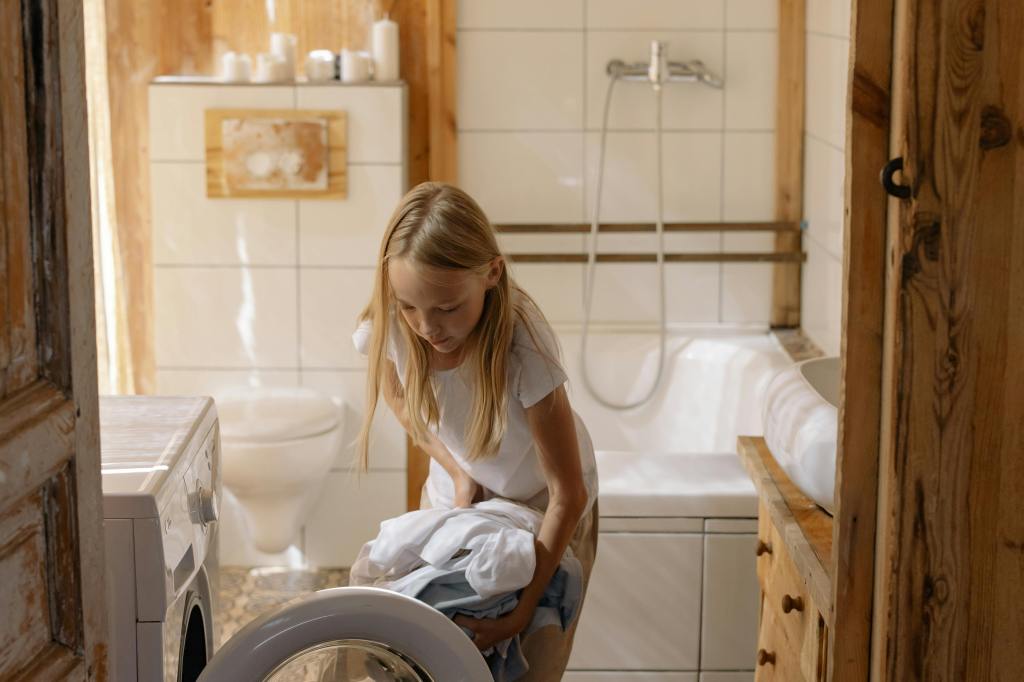
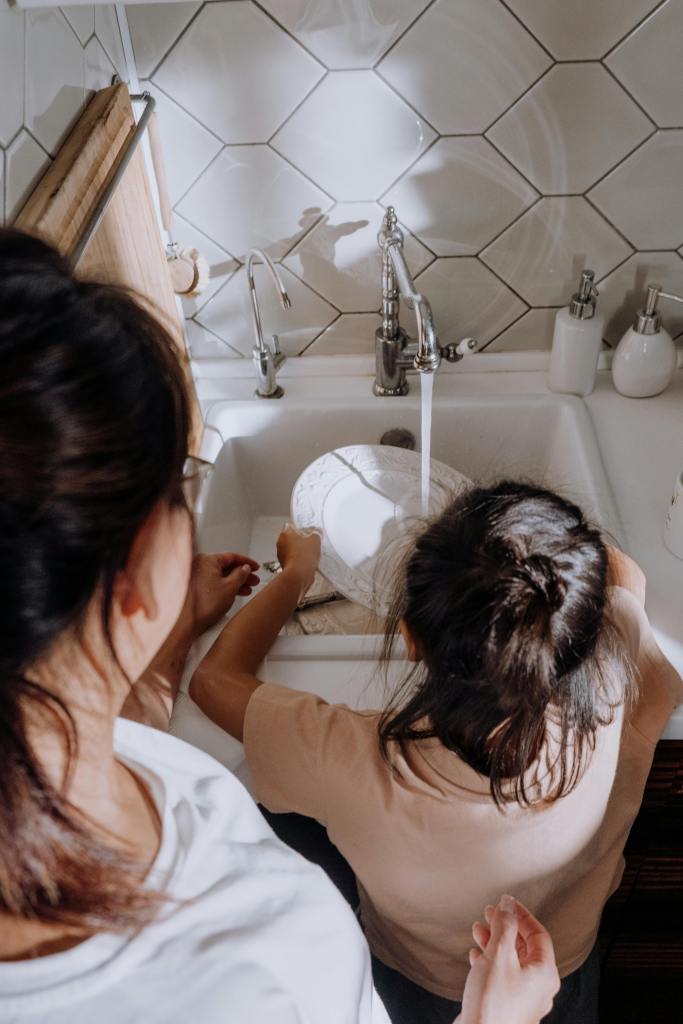
Even small tasks like folding laundry or helping unload the dishwasher give children a sense of ownership. When introduced early, chores can help kids build independence and confidence. Thiry notes that toddlers as young as two show a natural interest in helping. That moment, she says, is worth paying attention to. Inviting children into age-appropriate tasks early on can lay the groundwork for healthy habits that last.
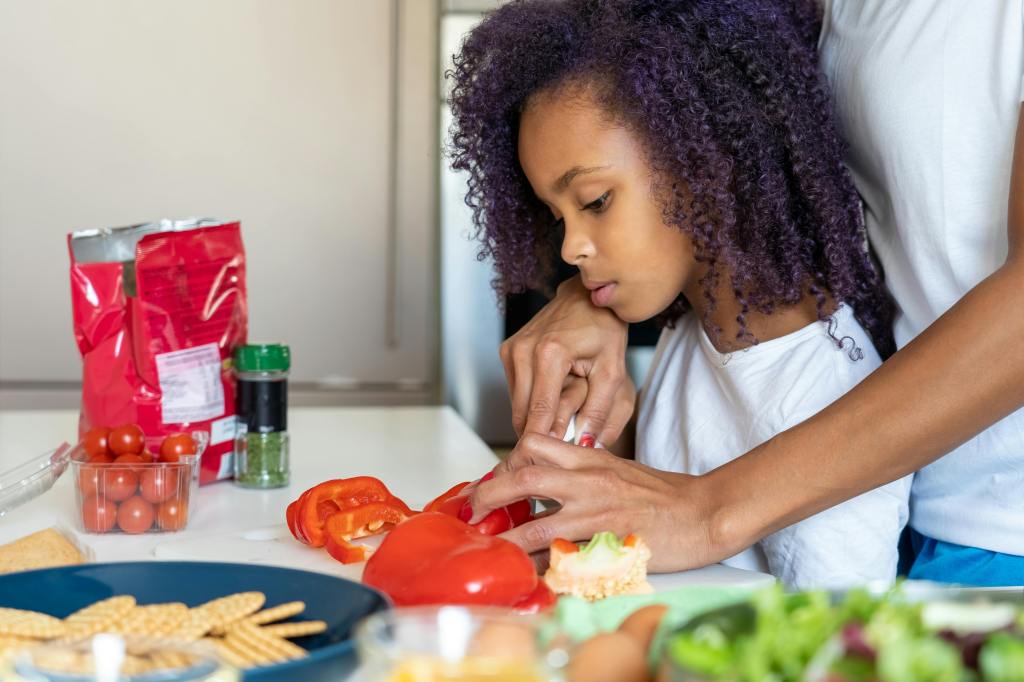
Chores also help develop important cognitive and emotional skills. Following instructions, staying focused, and completing a task from start to finish are all forms of executive function. These skills support learning, emotional regulation, and problem-solving. Just as important, chores offer moments of connection. Parents and children folding clothes side by side or cooking a simple meal together often find themselves talking, laughing, or simply enjoying each other’s company. These everyday interactions build trust and closeness.
How Meditation Supports Emotional Awareness
While chores help kids build structure and responsibility, meditation helps them manage emotions and find calm in overstimulating environments. Sabrina Nasta, a therapist with Grow Therapy, often introduces mindfulness practices to children and parents in her work. She explains that even young children can begin learning simple breathing exercises or quiet body awareness techniques. For kids who deal with anxiety, emotional outbursts, or sensory overload, meditation offers a space to pause. “It helps them slow their thoughts and connect with what they’re feeling,” Nasta says. “They start to recognize what’s happening internally before it becomes too overwhelming.”
A child who can notice tension, take a breath, and respond with intention is developing emotional awareness that will serve them well far beyond childhood. Nasta encourages parents to try meditation on their own before introducing it to their children. Practicing solo can help adults regulate their own stress, which is especially helpful during challenging parenting moments. It also allows them to guide their children through the process with more patience and clarity. Practicing together can be meaningful, but it often looks different than adult meditation. Parents may find themselves redirecting or narrating the practice rather than fully relaxing. Still, the shared effort can foster connection and set a tone of calm in the household.
Introducing These Habits at Home
Both experts agree that starting young is ideal. Children as young as three can begin to understand the basics of mindfulness. Likewise, toddlers can participate in small household tasks with guidance. The key is to focus on the process rather than perfection. Thiry suggests avoiding harsh tones or using chores as punishment. Instead, frame them as a regular part of family life. Nasta advises the same mindset for meditation. Rather than expecting stillness right away, parents can model calm breathing, keep the sessions brief, and offer praise for participation. Parents may also find it helpful to create a predictable time for both practices. A short morning meditation or an evening clean-up routine can give kids something steady to return to each day.
A Simple Way to Reclaim Summer Balance
There is no single way to make summer easy or perfectly structured. But building in moments of responsibility and rest can help children feel anchored. Chores teach them that they are capable and needed. Meditation helps them manage the emotions that come with growing up. Families do not need elaborate systems or strict schedules. They need meaningful habits that invite kids to participate, reflect, and reset. When those habits are offered with warmth and consistency, they can bring calm to the chaos and connection to the quiet.
To learn more about Grow Therapy and its work in family mental health, visit GrowTherapy.com.

Quick Takeaways
- Chores help children build confidence, responsibility, and a sense of belonging at home
- Starting chores early teaches kids that their contributions matter, even if the task isn’t perfect
- Shared chores create bonding moments between parents and children
- Meditation helps kids regulate emotions, reduce anxiety, and build self-awareness
- Children as young as three can begin simple mindfulness practices like deep breathing
- Parents benefit from meditation too, especially during emotionally challenging moments
- Consistency and positive reinforcement are key to building both habits over time
- These practices work best when framed as part of family life, not punishment or performance



 The Chundria Brownlow Show
Leave a comment